Home › Screen Installation
Get reliable screen installation in Melbourne, FL for patios, porches, and outdoor living areas. We design and build custom screen enclosures that handle Florida sun, rain, and wind. Enjoy fresh air without bugs and boost your home value with clean, durable screens.
Melbourne Screening provides professional screen installation throughout Melbourne, FL, Florida and the surrounding area. Our licensed, insured crew delivers safe, clean, on-time work with a free estimate before anything begins. Call 321-449-7928 or request your free quote.
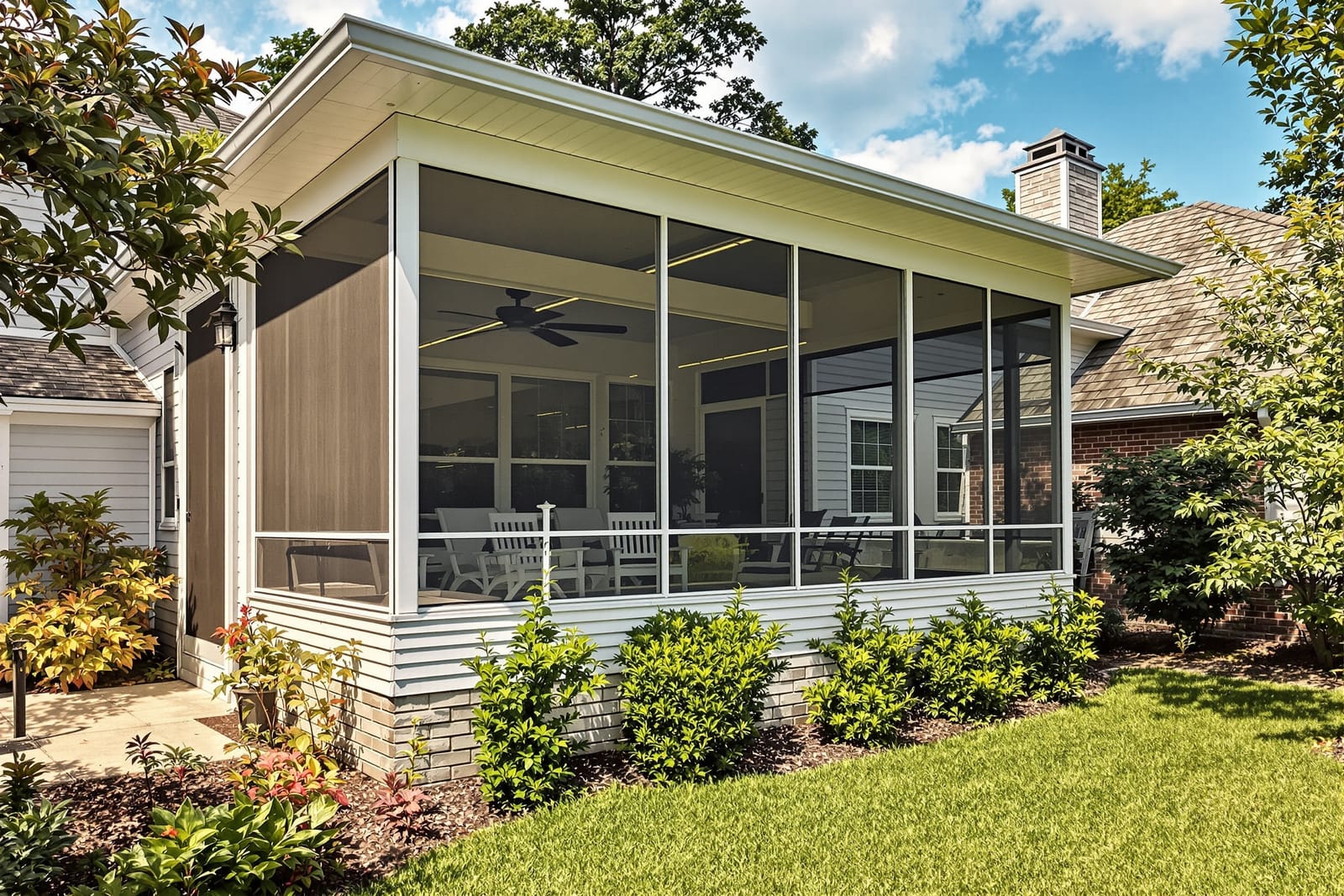
Screen Installation for Melbourne, FL Homes and Pools
Melbourne Screening provides screen installation that is built for real life in Melbourne, FL, not just for pictures in a brochure. We design and install screens that stand up to salt air, heavy afternoon thunderstorms, and the strong sun along the Space Coast.
Whether you need a new pool enclosure, a screened-in patio, or window and door screens, we start by looking at how you actually use the space. Do you grill outside year-round. Need to keep small pets in. Want better airflow through the house without inviting no-see-ums. Those details influence the screen type, frame style, and layout we recommend.
Our team lives and works in Brevard County, so we are familiar with Melbourne neighborhoods from Suntree and Viera to Palm Bay and the beachside. That local experience matters, because the wind exposure near the river or ocean is not the same as a protected inland yard, and your screen installation should reflect that difference.
From the first visit, we focus on clear explanations, written estimates, and practical options so you understand what you are getting, how long it will take, and how it will hold up in our coastal climate.
How Our Screen Installation Process Works
Every screen installation with Melbourne Screening follows a structured process so there are no surprises.
1) On-site evaluation and measurement: We visit your home in Melbourne to measure the area, check the condition of your slab or deck, and look at roof lines, gutters, and existing structures. For pool cages we also check screen channel depth, existing fasteners, and anchor condition so new material fits correctly and safely.
2) Design and material choices: Using your measurements and photos, we outline layout options. For example, a large open view wall facing your canal or golf course, or additional vertical posts for extra wind strength in more exposed areas. We discuss screen types, frame colors, and hardware so you can balance airflow, privacy, and durability.
3) Permitting when required: Larger projects, like new pool enclosures or structural changes, often require permits from the City of Melbourne or Brevard County. We handle the paperwork, drawings, and code requirements, including wind load specifications appropriate for our region.
4) Preparation and protection: On installation day, we protect your deck surface, cover furniture or grills that must stay in place, and disconnect any screen doors or accessories that will be reused. If we are replacing old screens, we remove and dispose of the damaged material and inspect the frame for corrosion, loose fasteners, and cracked members.
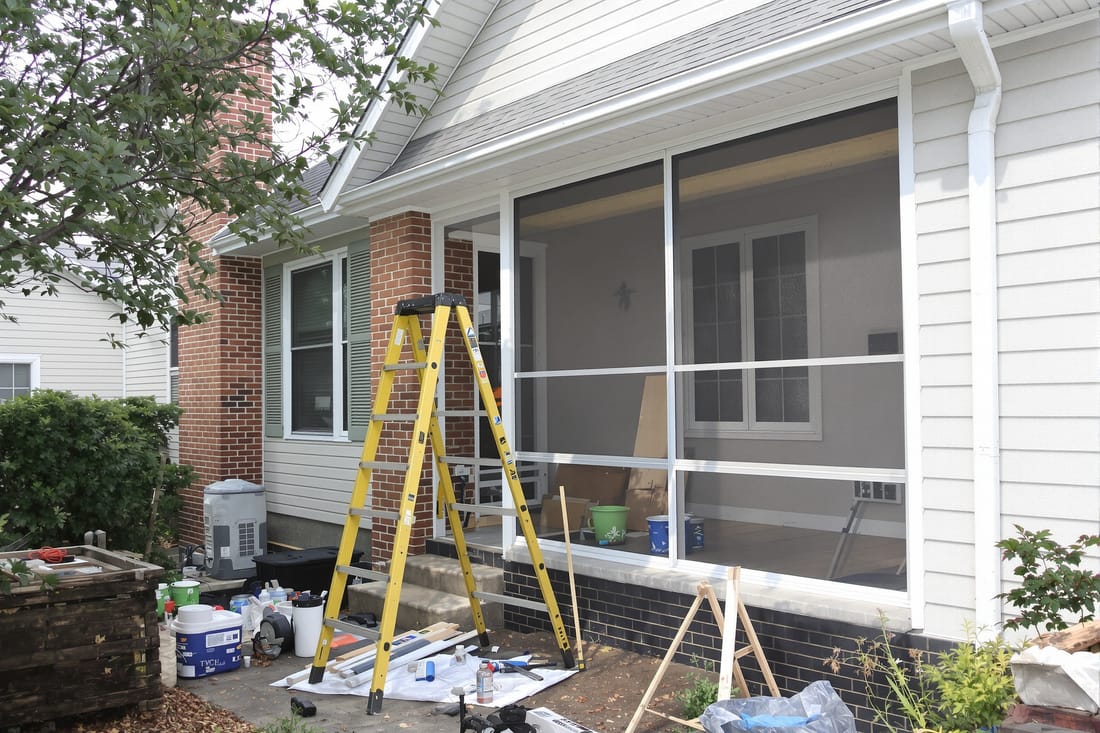
5) Screen installation: Screens are cut to size on-site for a tight custom fit. We use spline rollers to set the screen fabric into channels, then trim for a clean edge. For pool cages and lanais we stretch the screen evenly across large spans to avoid sagging, and install roof panels in the correct sequence so water sheds properly.
6) Final check and cleanup: Once the screens are in, we test doors, verify latch alignment, confirm pet doors or special sections operate smoothly, and walk the perimeter with you. Then we clean up and remove all old screen and debris from your property.
Material Options Built for Coastal Florida Conditions
Screen installation in Melbourne, FL must handle high humidity, UV exposure, and gusty storms. Melbourne Screening helps you choose materials that will perform in that environment instead of only looking good on day one.
Screen fabric options:
• Standard fiberglass insect screen: A cost-effective choice that keeps out mosquitoes and common bugs while allowing good airflow. Suitable for most lanais and porches that are not directly exposed to heavy pet traffic.
• No-see-um or micro-mesh screen: Designed specifically to keep out sand flies and tiny insects that are common near the Indian River Lagoon and marshy areas. The tighter weave gives you more bug protection with only a small reduction in airflow.
• Pet-resistant screen: A tougher vinyl-coated polyester mesh that resists clawing and pushing from dogs and cats. Ideal for lower wall sections of pool enclosures and patios so you do not have to replace panels every time a pet gets excited.
• Privacy and solar screens: Heavier fabrics that reduce heat gain and provide daytime privacy. These can be targeted to west-facing walls to cut down on the late afternoon sun that is so strong in Melbourne summers.
Frame and hardware options:
We typically use aluminum frames because they are light, strong, and corrosion resistant in our salty coastal air. You can select popular finishes like white or bronze to match your home. For fasteners and anchors, we recommend stainless or coated screws that hold up better against rust, especially in beachside areas like Indialantic and Satellite Beach where salt exposure is higher.
We also offer upgraded spline and door hardware for homeowners who want maximum service life and fewer issues with loose screens or sagging doors over time.
What Drives Screen Installation Cost in Melbourne, FL
Screen installation pricing is specific to each project, but there are clear factors that influence cost.
Size and complexity: A simple rectangular patio with standard height is less expensive than a large, high-rise pool cage with multiple roof pitches. Corner angles, step-down decks, and cutouts for columns or railings add labor time because each panel must be fitted individually.
Type of screen: Standard fiberglass is the most affordable, while no-see-um, pet-resistant, and solar screens cost more per square foot. Many Melbourne Screening customers mix materials to manage budget, for example, standard screen on upper roof panels and pet-resistant or micro-mesh on the lower walls where performance really matters.
Condition of existing frame: For replacements, if your aluminum structure is sound, then we can simply re-screen. If we find significant corrosion at the base, loose anchors in the concrete, or bent members from previous storms, we may recommend repairs or partial frame replacement. Addressing these issues adds cost but it also prevents premature screen failure.
Access and safety: Screen installation on two-story lanais or on steep roof sections requires extra equipment and time. Homes near the river or ocean with limited side access sometimes need creative setup to safely reach every panel.
Permits and engineering: New enclosures and major structural changes in Melbourne often require engineered drawings and city or county fees. We include those costs clearly in the estimate so you know what is for materials, labor, and regulatory requirements.
During our visit, Melbourne Screening provides a written estimate that breaks out these factors so you can see exactly what you are paying for and where you might adjust options to fit your budget.
Common Screen Problems We See Locally and How We Fix Them
After many years working across Melbourne and nearby communities, we see the same screen issues caused by local conditions. Understanding these helps you decide what you need from a new screen installation.
Wind damage and loose panels: Strong storms, especially those related to tropical systems, can pull screen out of the frame or stretch it so it sags. When we install new screens, we use correct spline size for the channel, stretch the fabric evenly, and secure large spans with appropriate support to resist common wind loads for our area.
Corrosion at the base of pool cages: Salt in the air and standing water around the deck can corrode fasteners and the lower rail of aluminum frames. During screen installation we inspect that area carefully. If needed, we replace rusted fasteners with stainless, add new anchors, or recommend base repairs so your new screens are not relying on a weak structure.
Pet and child damage: Claw marks, pushed-out panels, and torn lower screens are very common. For homeowners in family neighborhoods like West Melbourne or Viera, we often install pet-resistant mesh on the bottom sections and standard mesh higher up to extend the life of the enclosure.
Door issues: Screen doors that do not close, latches that stick, or broken bug sweeps let insects right in. We realign door frames, adjust hinges, replace worn closers and sweeps, and install new bug seals as part of many screen installation projects so the enclosure is truly effective.
Mold and dirt buildup: Shaded areas near the lagoon or under large trees can grow mildew on screens. While this is more of a cleaning issue, we can recommend screen types and orientations that promote better airflow, which helps panels dry faster and stay cleaner.
Planning Your Screen Installation Around Melbourne Weather
Our coastal climate affects when and how screen installation is best scheduled. Melbourne Screening plans projects around local weather patterns so your new screens go in under good conditions and cure properly.
Rain and thunderstorms: Summer afternoons often bring quick, heavy showers. We typically schedule start times earlier in the day and watch radar closely. Light rain is not always a problem, but strong wind or lightning means we pause work for safety and to avoid installing screens in conditions that could stretch or damage them during installation.
Hurricane season: During peak season, many homeowners call us after storms for repairs. If you are considering a full screen installation or major re-screen, it is wise to plan ahead in spring or early summer when schedules are more flexible. For projects started during hurricane season, we discuss how to secure or protect partially completed enclosures if a storm threatens.
Heat and sun exposure: Direct sun on aluminum frames can make them hot and expand slightly. Our installers are used to working in these conditions and adjust fitting techniques so screens are properly tensioned once temperatures cool down.
Neighborhood and HOA rules: In some Melbourne communities, especially planned developments, there may be requirements for screen color or enclosure style. We are familiar with many local HOA standards and can help you choose designs that meet those rules while still giving you the function you need.
Why Homeowners in Melbourne, FL Choose Melbourne Screening
Choosing a company for screen installation is about more than price. It is about how your enclosure will hold up five or ten years from now.
Melbourne Screening focuses specifically on screen work in our local area, which means our crews are experienced with the structural designs and weather patterns found here. We are not guessing about what works in Brevard County. We see it every day in backyards, on pool decks, and along the canals.
We use materials suited to a humid, coastal Florida environment and take time to do proper prep work instead of just stretching new mesh over old problems. That includes inspecting frames, tightening or replacing hardware, and advising you honestly when a simple re-screen is fine or when a more involved solution will save you money in the long run.
Our approach is straightforward. We listen to how you want to use the space, explain the pros and cons of each material and design, provide written estimates, and keep you updated from scheduling through final walkthrough.
If you are considering screen installation for a pool, patio, porch, or windows in Melbourne, FL, we are ready to help you create a screened space that works for your family, your budget, and our local climate.